These are non-surgical choices for joint pain. They sit alongside physical therapy, activity changes, and other injections. Your provider tells you what a treatment can and cannot do. Results vary from person to person.
PRP injections
What it is
Platelet-rich plasma, or PRP, is prepared from a small sample of your own blood. The sample is spun so the portion rich in platelets can be injected into a joint or the soft tissue around it. At this practice, PRP is one part of regenerative joint preservation. It is not a cure, and it is not offered as a promise that pain will go away.
Who it helps
- Adults asking about PRP for a painful joint
- People who want a non-surgical option discussed before replacement
- Patients whose exam and imaging make an injection a reasonable thing to talk through
What to expect
- A visit first. Your provider reviews the joint, what you have already tried, and whether PRP fits.
- If you go ahead, the blood draw and the injection happen in the office.
- You leave with plain instructions for the next few days and a plan to check how you respond.
More on PRP injectionsRegenerative joint preservation
What it is
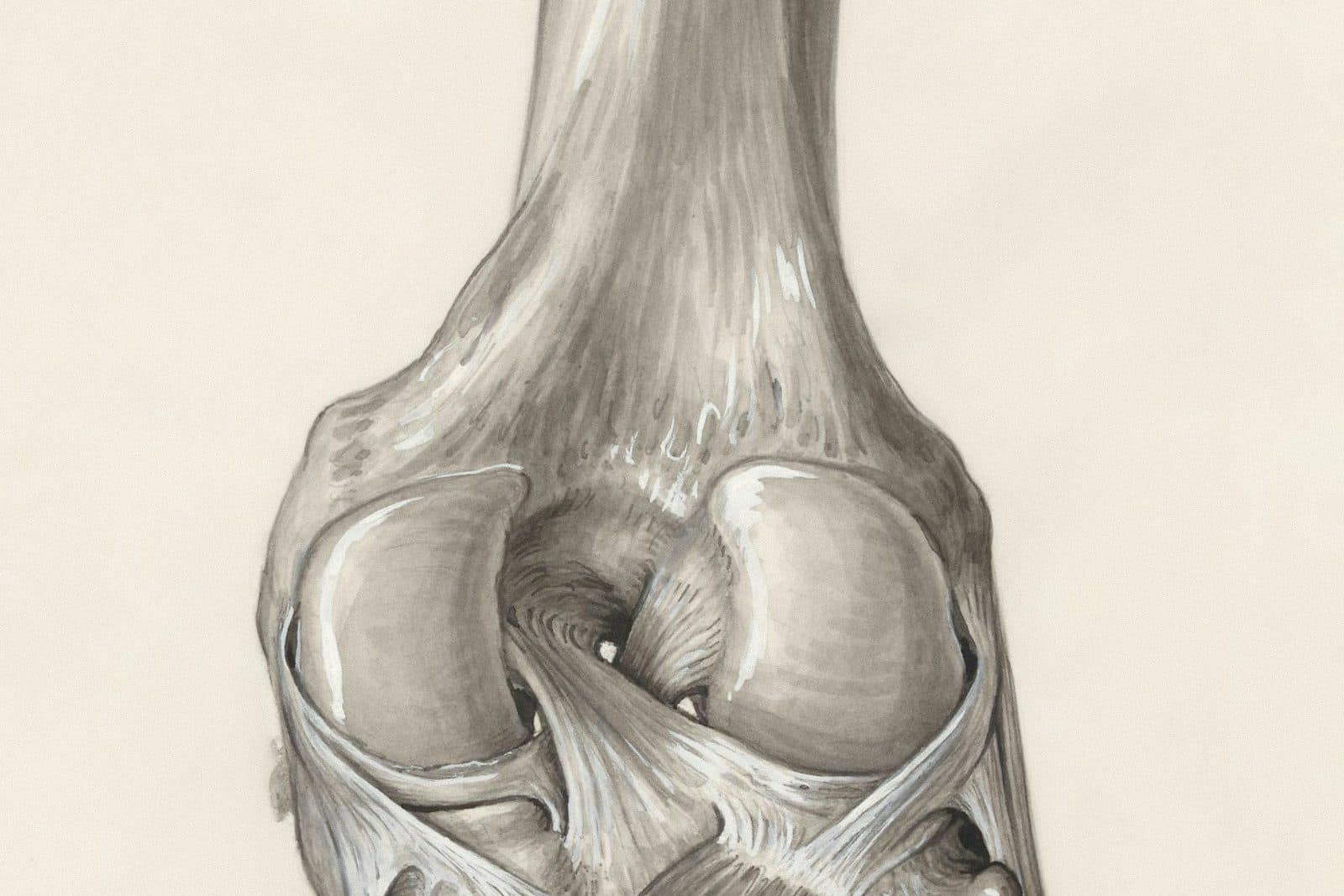
Regenerative joint preservation is the practice's name for non-surgical care aimed at easing joint pain and protecting the joint you still have. PRP injections can be part of that plan. So can activity changes, physical therapy, and other injections. The goal is a clear choice, not a guarantee. When a joint is worn out, replacement may still be the better path, and your provider will say so.
Who it helps
- Adults with joint pain who are not ready for surgery, or who may not need it
- People hoping to stay active while they learn what the joint can still do
- Patients who want the limits of these treatments explained in ordinary language
What to expect
- Time spent on your history, exam, and imaging before any procedure.
- A comparison of the options that actually apply to you, including doing less.
- A follow-up so you and the team can see whether the plan is helping.
More on Regenerative joint preservationStem Cell Injection
What it is
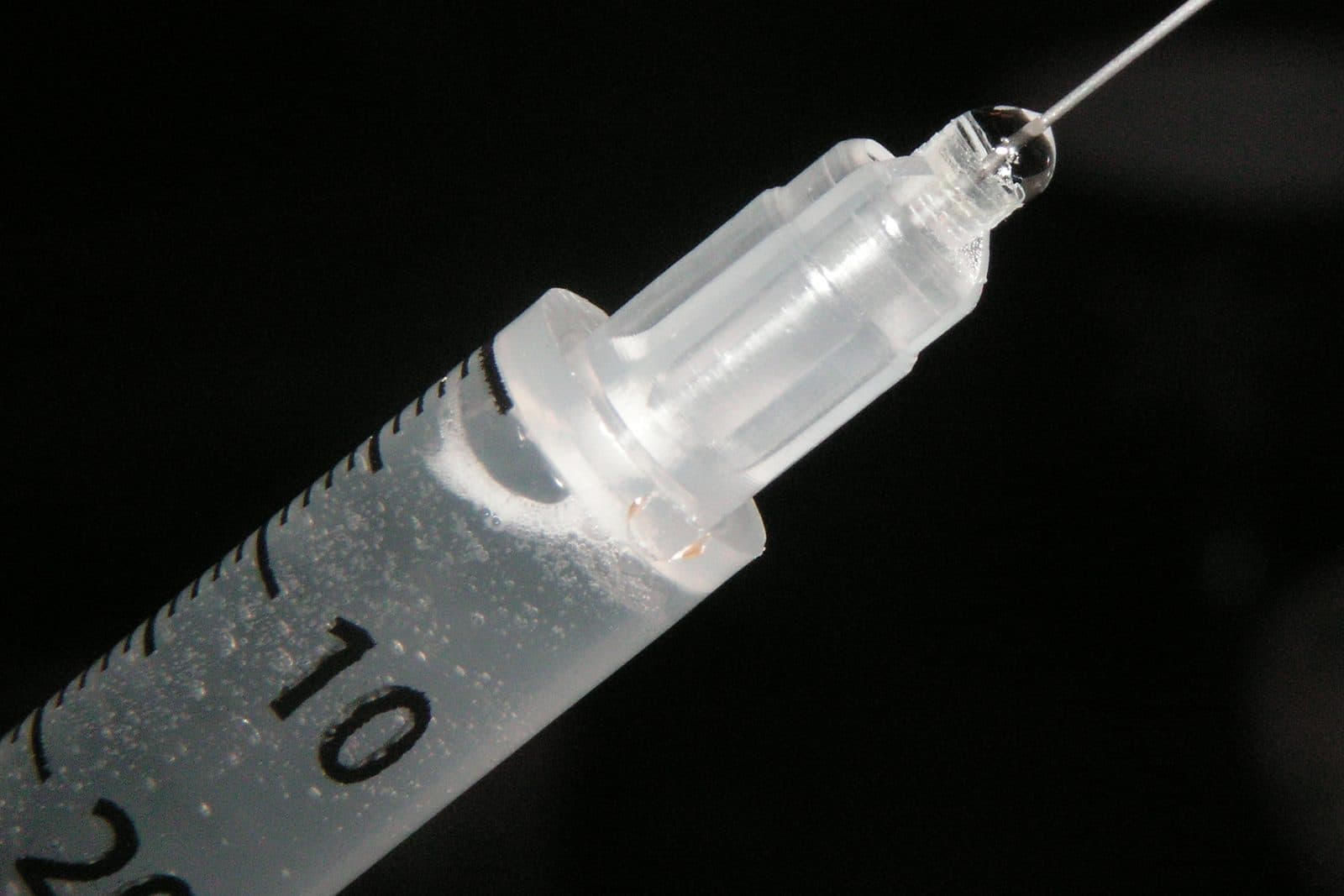
In plain words, this is one injection in the office, prepared from human amniotic tissue. It is not a steroid, and it is not a cure. Stem cell injection, as described on the practice's earlier site, is a single nonsteroidal injection of ReNu™, a bioactive amniotic suspension prepared from human amniotic tissue. The orthopedic specialist gives it in the office. ReNu contains anti-inflammatory factors, growth factors, extracellular matrix proteins, and a form of hyaluronic acid, a lubricant naturally present in adult joints. It is not offered as a promise that pain will go away.
Who it helps
- Adults with osteoarthritis of the knee, hip, ankle, hand, or wrist
- People with a partial rotator cuff tear, bursitis, or epicondylitis (elbow tendon irritation)
- People with adhesive capsulitis (frozen shoulder), tendinosis (a worn tendon), or plantar fasciitis
What to expect
- A visit first, so your physician can decide whether this injection fits.
- If you go ahead, it is one injection in the office. The physician may numb the area with a local anesthetic.
- Afterward, ice the site for 10 to 15 minutes, and avoid strenuous exercise, heavy lifting, and bending for at least 2 days.
- You can return to your usual routine and add activity back gradually. Physical therapy may be recommended.
More on Stem Cell InjectionResults vary from person to person. PRP, stem cell injection, and regenerative joint preservation are not a cure and are not guaranteed to relieve pain.